
What is Crémant?
Crémant has been hiding in plain sight for fifty years.
Its own protected appellation since 1976. Hand-harvesting written into the rules. At least nine months on the lees before anyone is allowed to sell it. The French have been quietly drinking it the whole time.
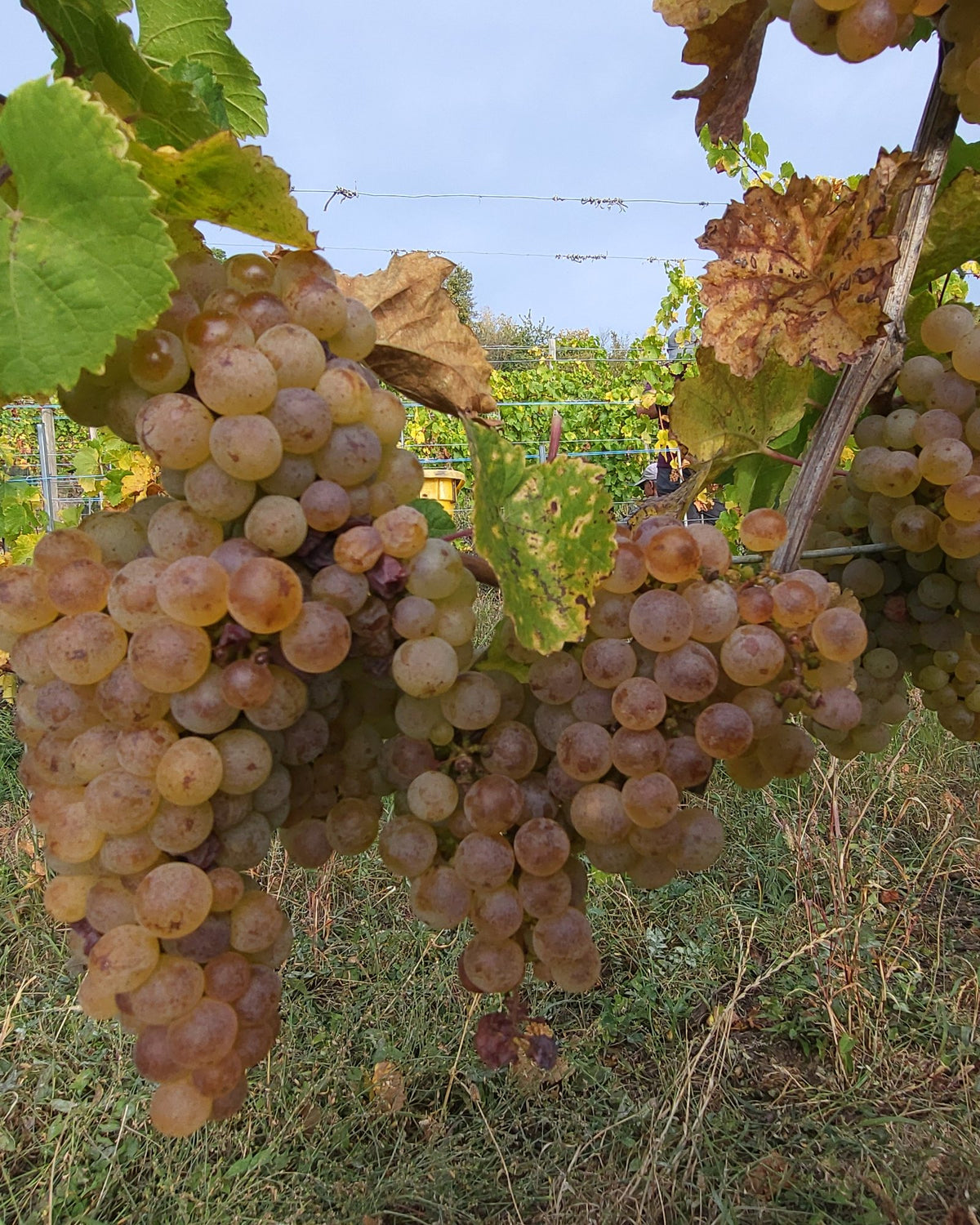
Made the hard way, on purpose.
Crémant is made using the same traditional method as Champagne. The grapes are lovingly hand-picked, aged in barrels and then undergo a secondary fermentation in the bottle, as it rests on the lees for a minimum of nine months. That is where the bubbles come from.
Fermentation in the bottle produces a much fuller flavour, tiny bubbles and a wonderful complexity – that amazing feeling of a party in your mouth!
It is one of the most labour-intensive ways of making wine. Which is the point.
Crémant d’Alsace is the one from Alsace and is protected by its own appellation since 1976.
How ours is madeOrganic was non-negotiable.
There are too many shortcuts available in winemaking, and organic certification closes off most of them. Organic means no chemical pesticides, no herbicides, no artificial fertilisers, no genetically modified anything. Fewer additives to adjust flavour, texture and colour. And tighter limits on sulphites, which are used to kill microbes and, in quantity, to cover up for lower quality grapes. Organic wines contain lower sulphites than conventional wines.
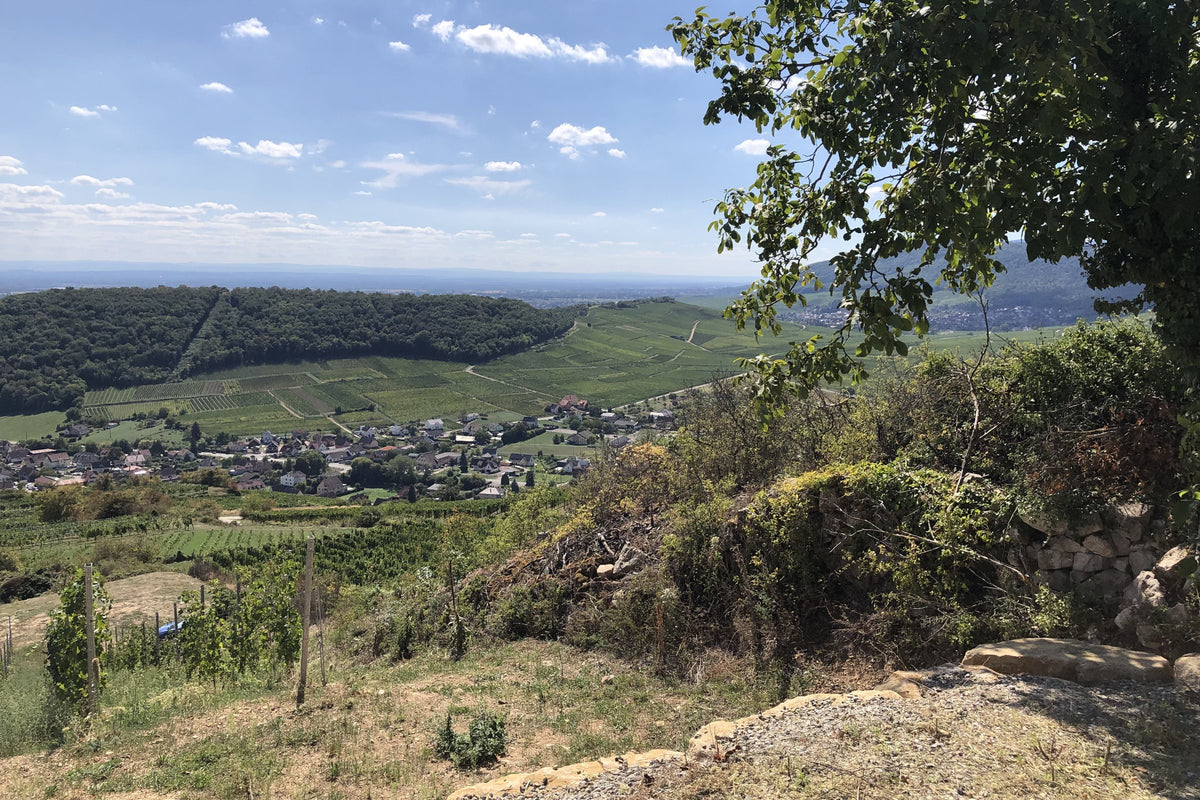
Alsace is one of the most advanced organic wine regions in France. Domaine Moltès has been certified since 2003 — twenty-three years of doing it the long way, across the whole estate rather than just one wine.
This is a wine made for the drinker, not the vineyard.
Pfaffenheim, Alsace.
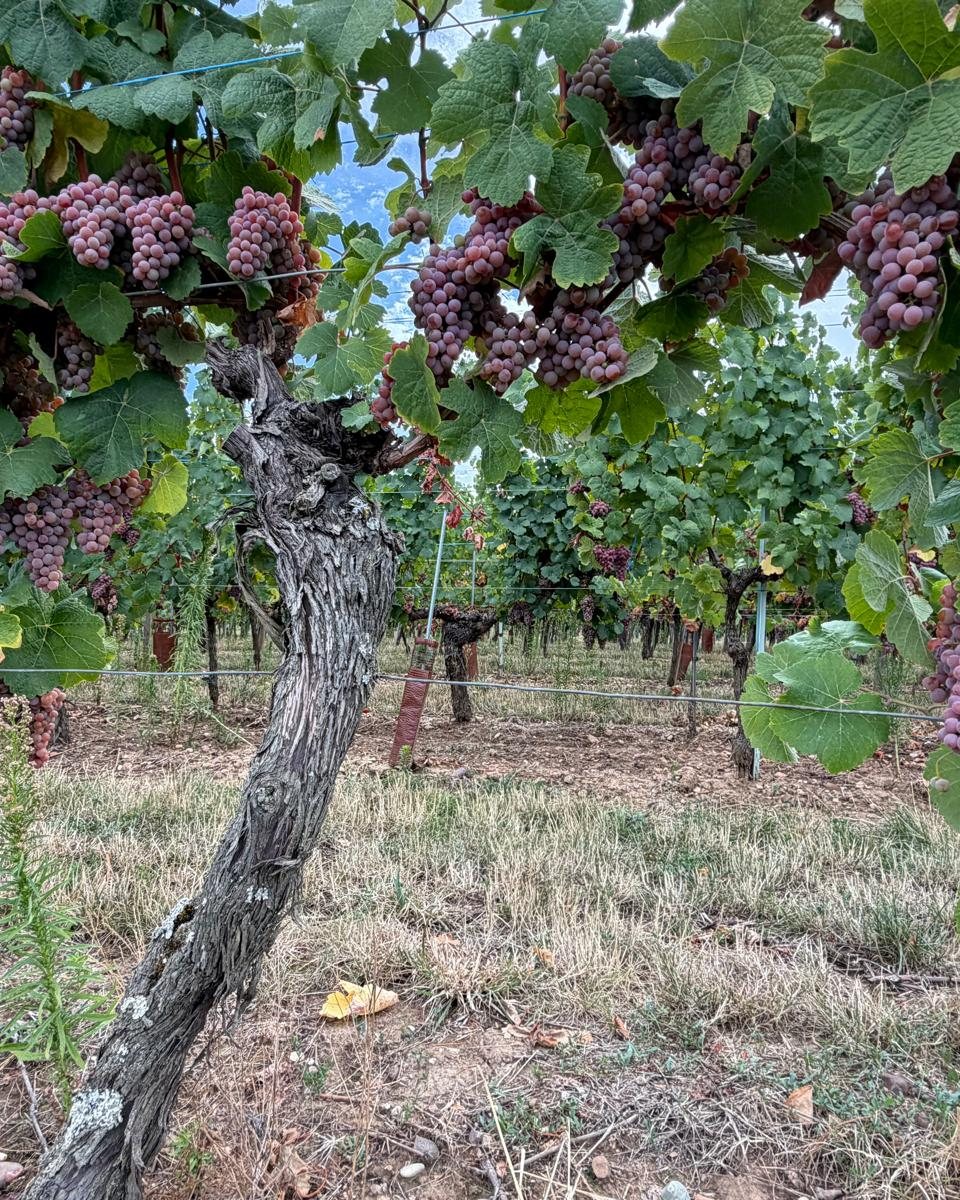
The vines
Pinot Blanc, Pinot Noir and Riesling.
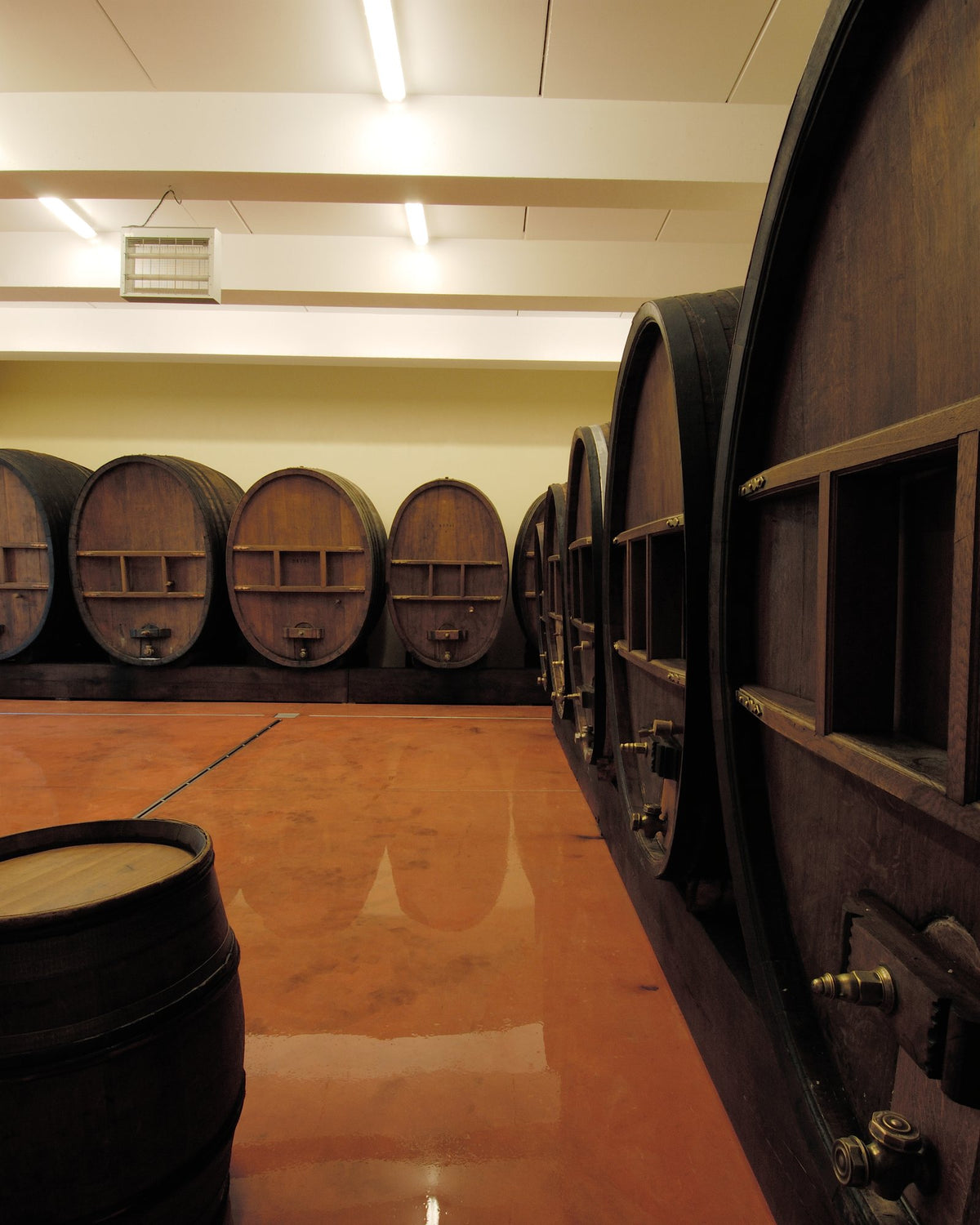
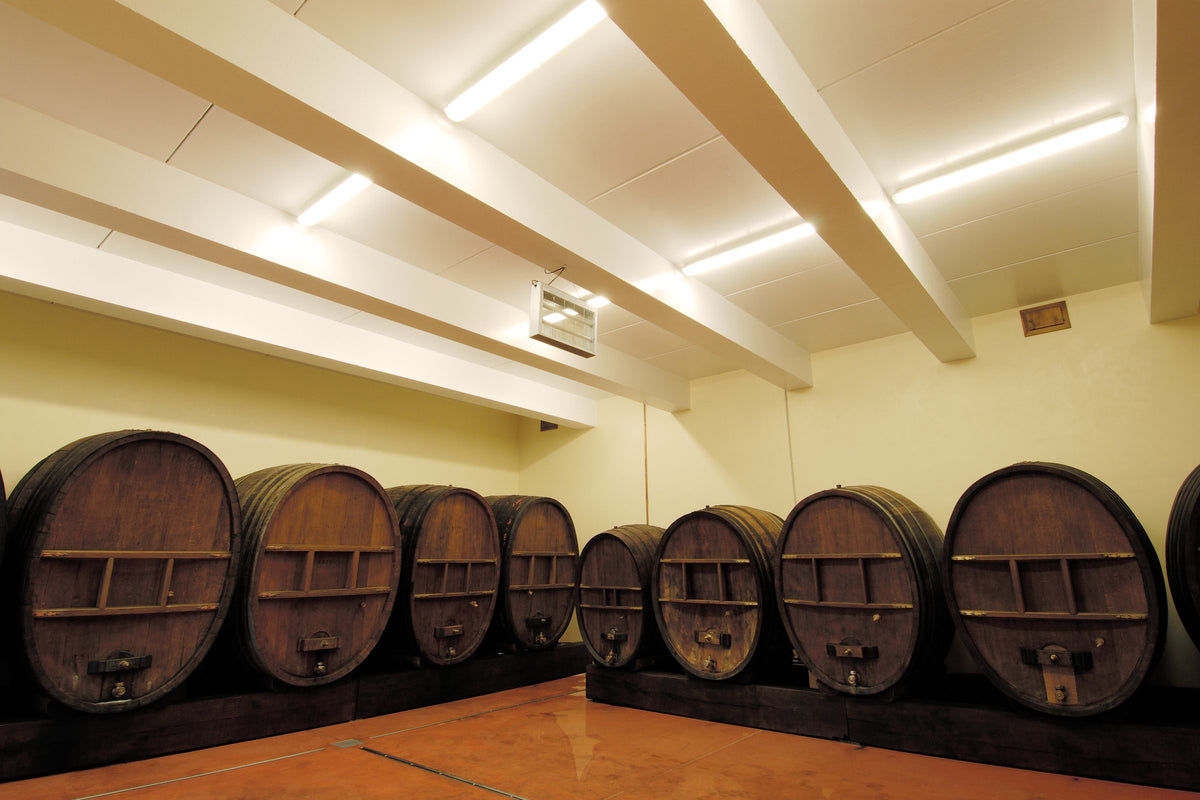
The cellar
Oak barrels, where the base wine rests.
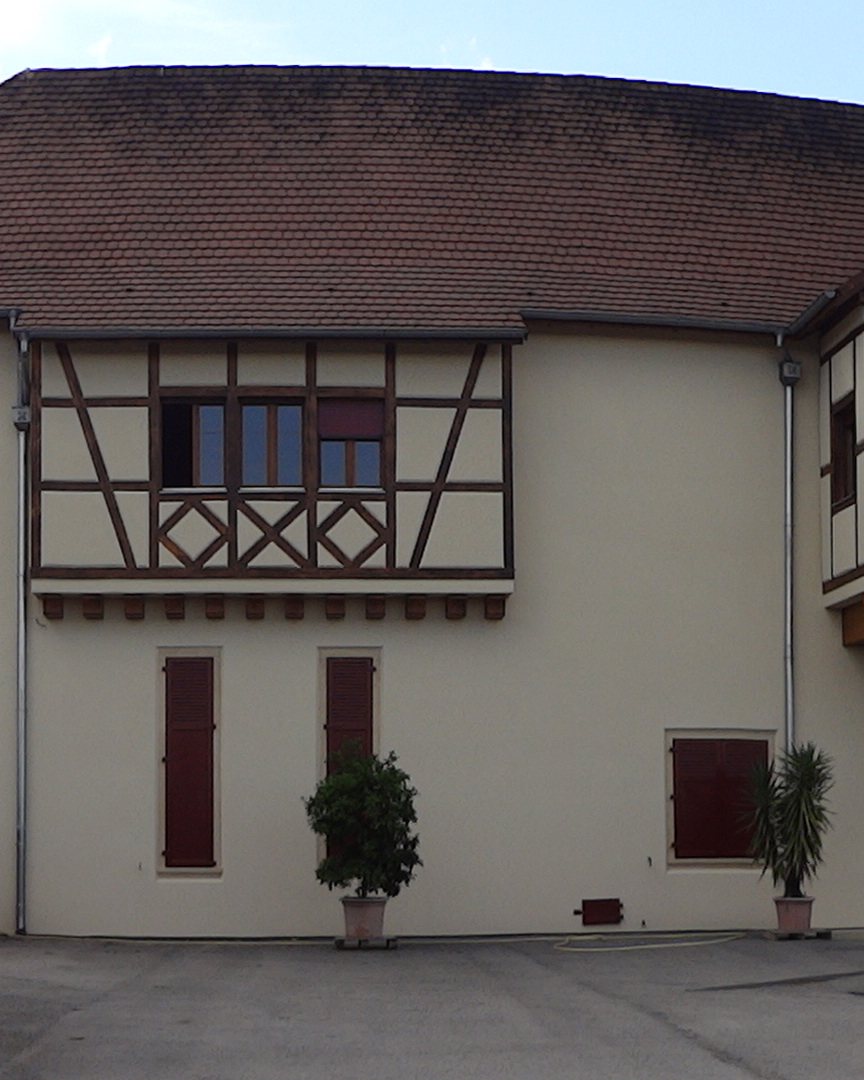
The house
Half-timbered, as Alsace does.
The rules
Five things every Crémant has to do.
Crémant is a protected term. To use it, a wine has to follow the rules below. There is no shortcut and no tank.
-
01
Picked by hand
Whole bunches, picked by hand and pressed gently. That is not a choice, it is written into the appellation rules.
-
02
A second fermentation, inside the bottle
The still wine is bottled with a little yeast and sugar. The bubbles are born inside each bottle, not in a tank.
-
03
At least nine months on the lees
The wine rests on its spent yeast before anyone is allowed to sell it. That rest is where the creamy texture comes from.
-
04
Turned over months
The bottles are turned slowly over months, so that the sediment gathers in the neck.
-
05
Disgorged, topped up, corked
The neck is frozen, the sediment popped out, a touch of wine added back. Then the cork, the cage and the wait.

Alsace is one of eight.
Ours is from Alsace, on the German French border. The others are Bourgogne, Loire, Limoux, Bordeaux, Jura, Die and Savoie.
An appellation is a protected geographical area which gives assurances regarding origin, production quality and authenticity.
We chose Alsace, since they are pioneers in organic wine and it is famous for fresh and round Crémants.
What’s the difference between Crémant and Champagne?
Mostly geography. Champagne comes from one region in north-east France, and only wine from there can use the name. Crémant comes from eight others, Alsace among them.
Both are made the same way — a second fermentation inside the bottle, months resting on the lees, the sediment removed by hand. Alsace asks for nine months on the lees, Champagne twelve. Saysah gets twelve.
And the grapes aren’t the same. Champagne is built on Chardonnay, Pinot Noir and Pinot Meunier. Ours are Pinot Blanc, Pinot Noir and Riesling.
What is the difference between Crémant and Prosecco?
They are made differently. Prosecco’s second fermentation happens in large steel tanks, which is quick and efficient. Crémant’s happens inside the individual bottle, followed by at least nine months on the lees. Prosecco tends to be higher in sugar and acidity and has bigger bubbles. Crémant is a more rounded and complex drink, with much smaller and finer bubbles.
Neither is wrong for a Thursday. Ours is made for a Thursday too. It just happens to be made the hard way.
Shop the case of six
All the quality and craftsmanship of a premium pop, without the pantomime, pomposity and price.
How to say it
Two syllables, equal weight on both. Say, then sah, like see-saw.
It’s a playful way to spell “C’est ça”, an expression meaning, “That’s it!”.
The French use it when something is exactly right or perfect.
Precisely the feeling we had when we first tried the wine. We knew we had the one.
Say
Everything you wanted to ask
The questions people ask.
What is Crémant?
Crémant is French sparkling wine made by the traditional method, where the second fermentation happens inside the bottle you buy. It can only be made in eight specified French regions, each with its own protected appellation and its own rules. Crémant d’Alsace has had AOC status since 1976.
What is Crémant d’Alsace?
Crémant d’Alsace is sparkling wine from the Alsace region of north-east France, granted its own appellation in August 1976. The rules require hand-harvesting, whole-bunch pressing, and a minimum of nine months ageing on the lees before a bottle can be sold. Alsace is France’s largest producer of Crémant.
How is Crémant made?
Grapes are picked by hand and pressed in whole bunches. The base wine is fermented, blended and bottled with a small amount of yeast and sugar, which starts a second fermentation inside the sealed bottle. That is where the bubbles come from. The bottles then rest on the lees for at least nine months and are turned before the sediment is removed.
What does Crémant taste like?
It varies by region and grape. Crémant d’Alsace is typically dry, fresh and floral, with fine bubbles and orchard-fruit notes. Saysah is a blend of Pinot Blanc, Pinot Noir and Riesling, with notes of apricot, green apple and pear.
Why have I never heard of it?
Because almost nobody has marketed it. Crémant has had its own appellation for fifty years and the French drink a great deal of it, but in Britain it has sat quietly on the bottom shelf with a château on the label and no brand behind it. That is the gap Saysah exists to fill.
What temperature should I serve it at?
Well chilled, around 6 to 8°C — two to three hours in the fridge, or twenty minutes in a bucket of ice and water. Any glass will do.
How long does it keep?
Crémant is not made for long ageing. Drink it within two or three years of buying it, stored somewhere cool and dark, lying down or upright. Once opened it keeps its fizz for a day or two in the fridge with a proper stopper, though it is better on the night.